

A roof inspection is most useful when it happens before a small problem becomes an interior leak or a larger repair. For most homes, the practical schedule is once a year, with an additional inspection after severe weather, before a home sale, or when the roof is approaching the later part of its expected service life.
How often should a roof be inspected?
Most residential roofs should be inspected about once each year. An annual review helps identify gradual changes that may not be visible from the ground, including lifted shingles, deteriorated flashing, blocked drainage paths, soft areas, and early moisture entry.
A yearly inspection is especially sensible in Slingerlands because roofs experience several different stresses over the course of a year:
- Snow and ice can add weight and contribute to water backing up at roof edges.
- Freeze-thaw cycles can widen small cracks and loosen roofing materials.
- Summer heat and sunlight can dry, curl, or weaken exposed surfaces.
- Wind from thunderstorms or winter weather can move shingles or damage flashing.
- Falling leaves, branches, and other debris can obstruct gutters and drainage areas.
An inspection does not always mean that repairs are needed. Often, the value is knowing that the roof is performing normally and documenting its condition for future reference.
What is the best season for a roof inspection?
Late spring is often the most useful time for a routine inspection because winter weather has passed and any damage from snow, ice, wind, or repeated freezing can be evaluated. This timing also allows problems to be addressed before the heavier rain and summer storm season.
Early fall can also be a good inspection period. A roof review before winter may identify worn materials, drainage problems, or areas that could be vulnerable under snow and ice.
The ideal timing depends on the home’s circumstances:
- Late spring: Look for winter damage, leaks, ice-related problems, and gutter issues.
- Early fall: Check the roof and drainage system before winter weather arrives.
- After major storms: Look for wind, hail, fallen branches, or displaced materials.
- Before buying or selling a home: Confirm the roof’s condition and remaining serviceability.
- After nearby tree work: Inspect for impact damage, loose debris, or punctures.
A routine inspection should not be delayed until the preferred season if there are visible signs of damage or water entry.
When should a roof be inspected after a storm?
A roof should be checked after severe weather if the property experienced strong wind, hail, heavy rain, lightning, falling branches, or unusually large amounts of snow. Storm damage is not always obvious from the yard. Shingles may be loosened without falling away, and flashing can shift while remaining difficult to see from the ground.
Warning signs after a storm include:
- New water stains on ceilings or upper walls
- Shingle pieces or roofing debris in the yard
- Granules collecting in gutters or near downspouts
- Bent, lifted, or missing shingles
- Damaged vent covers, chimney flashing, or roof edges
- Dents in metal components or exposed roofing surfaces
- Branches resting on the roof
- Gutters pulling away from the roofline
Safety matters after a storm. Walking on a wet, icy, steep, or visibly damaged roof can cause injury and may worsen the damage. A ground-level visual check is safer, while hazardous conditions may require qualified assistance.
Do older roofs need more frequent inspections?
Yes. A roof that is nearing the end of its expected service life generally deserves closer observation than a newer roof. The exact lifespan depends on the roofing material, installation quality, ventilation, exposure, maintenance history, and weather conditions.
Age alone does not prove that a roof needs replacement. However, older roofing systems are more likely to develop several issues at once, such as brittle shingles, deteriorated seal strips, worn flashing, exposed fasteners, and reduced resistance to wind or moisture.
For an aging roof, an inspection may be useful:
- Annually as a baseline
- After significant storms
- Before winter if the roof has known weak areas
- Before major exterior work, such as tree removal or solar-related construction
- When leaks, drafts, or ceiling stains appear
Documentation from repeated inspections can help distinguish a new problem from an existing condition and make maintenance decisions less dependent on guesswork.
What roof problems can homeowners notice from the ground?
A ground-level check cannot replace a full inspection, but it can reveal reasons to look more closely. Homeowners should periodically examine roof edges, gutters, downspouts, and visible slopes from a safe location.
Potential concerns include:
- Shingles that appear curled, buckled, cracked, or uneven
- Dark patches that may indicate moisture or surface wear
- Sagging along a roofline
- Moss or organic growth holding moisture against roofing materials
- Rusted, loose, or damaged flashing
- Gutter sections that are overflowing, separated, or clogged
- Granules collecting heavily below downspouts
- Daylight visible around attic penetrations
- Peeling paint or staining beneath roof edges
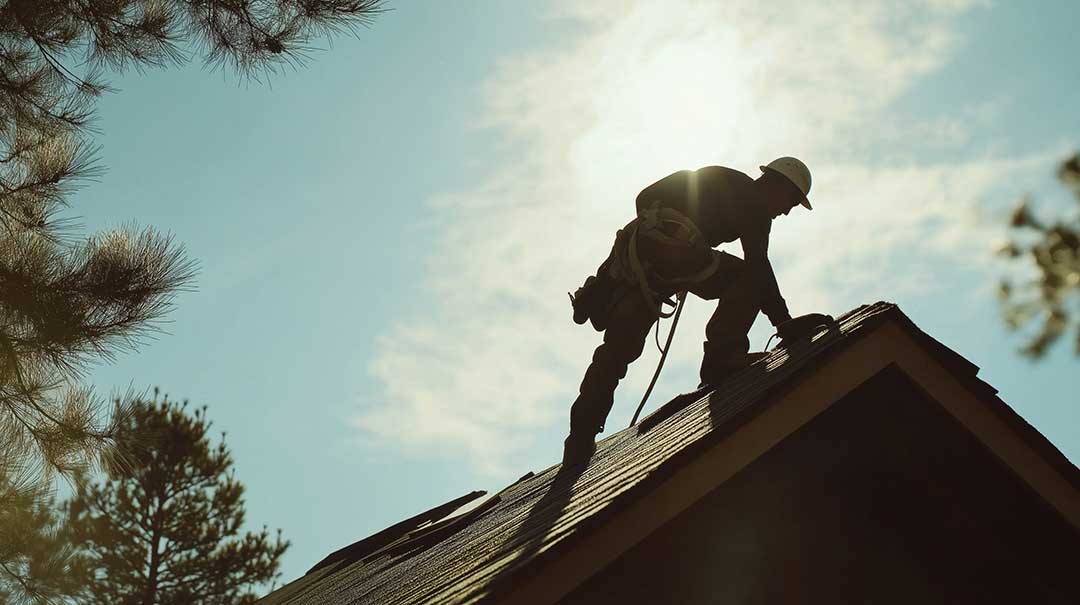
A single discolored shingle does not necessarily indicate a serious failure. Likewise, an apparently clean roof may still have concealed flashing or ventilation problems. Visible observations are useful for deciding when further evaluation is warranted, but they do not establish the full condition of the roof.
Does a roof inspection include the attic?
A thorough roof evaluation often benefits from checking the attic as well as the exterior. The attic can reveal evidence that is not visible on the roof surface, including damp insulation, stained wood, mold-like growth, rusted fasteners, daylight through openings, or poor air movement.
Attic conditions can also help explain why a roof is aging unevenly. Inadequate ventilation or excessive interior moisture may contribute to condensation, frost buildup, and deterioration around roof sheathing. These problems can be mistaken for ordinary roof leaks.
Homeowners can look for:
- Water staining on rafters or roof decking
- Wet or compressed insulation
- Musty odors
- Frost or condensation during cold weather
- Light entering where it should not
- Rust around nails, vents, or metal components
Not every attic mark means active leakage. Some stains are remnants of an older problem, while others appear only under specific weather conditions. The timing of stains, moisture, and weather can help clarify what is happening.
When is a roof inspection urgent?
An inspection should be treated as time-sensitive when water is entering the home, the roof is sagging, a large section is missing, or structural damage may be present. Water near electrical fixtures, widespread ceiling bubbling, or a partially collapsed area requires prompt attention because the concern extends beyond ordinary roofing maintenance.
Other situations that should not wait for the next annual inspection include:
- Repeated leaks during rain
- A ceiling stain that is growing
- Shingles or metal panels visibly lifting
- A tree or large limb contacting the roof
- A damaged chimney, vent, or roof edge
- Persistent attic moisture
- Interior damage following a storm
- Ice buildup associated with active water entry
Temporary measures may reduce additional exposure, but they do not determine whether the underlying roof system is safe or watertight.
A practical inspection schedule for local households
For many homes, a simple schedule works well: inspect in late spring, review the roof after severe weather, and consider another check in early fall if the roof is older or has a history of problems.
Keep basic records of the inspection date, visible conditions, photographs, repairs, and any areas that should be watched. This information is useful when comparing changes over time and can help identify recurring issues related to drainage, trees, ventilation, or seasonal weather.
The right time for the next inspection is therefore not based on the calendar alone. Annual maintenance provides a baseline, while storms, leaks, roof age, nearby trees, and visible changes may justify an earlier review.
