
How Do Solar Panels Interact with Your Roof?
Solar panels are generally mounted directly onto the surface of your roof, which means the condition and type of your roofing material matter a lot. In Slingerlands, NY, the typical roof types—like asphalt shingles and sometimes metal or slate—are compatible with solar installations. The key factor to consider is that solar panels are designed to last 25 years or more. For area residents, this means the roof under those panels should also have a similar lifespan, or you may face needing to remove and reinstall the system to fix the underlying roof.
Things to keep in mind:
- Panels do not damage intact, well-maintained roofing when installed with proper mounting hardware.
- Leaks or issues most often occur if installation penetrations are not correctly weatherproofed.
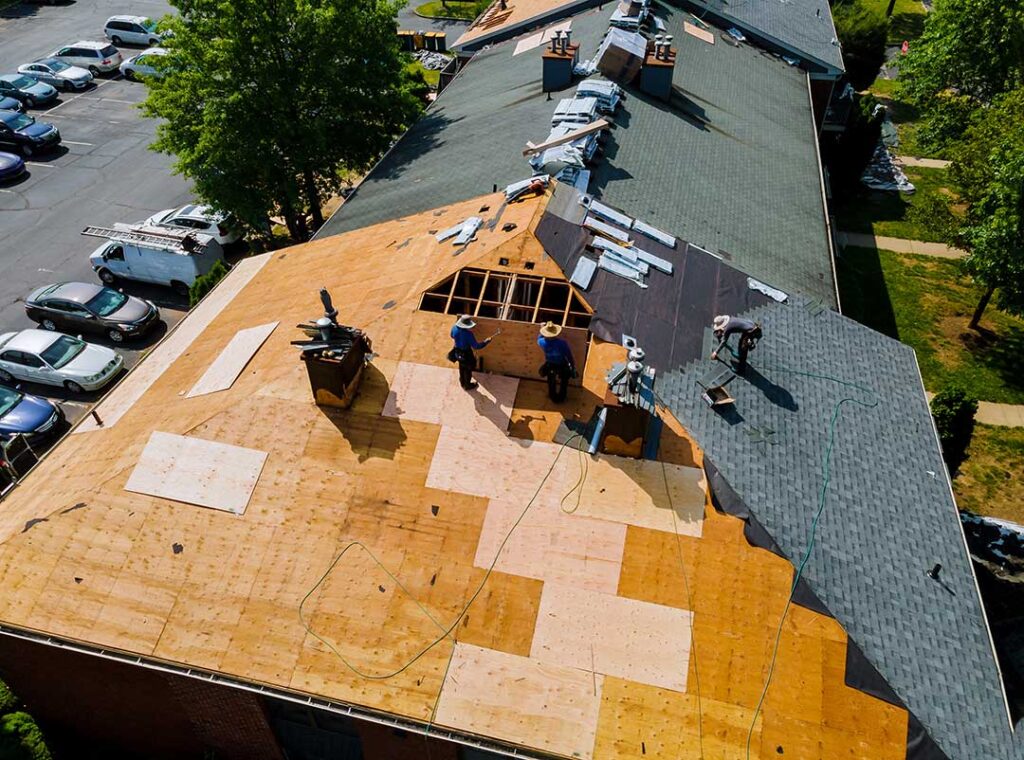
- Roofs nearing the end of their lifespan (within 5-10 years of a full replacement) should likely be replaced before solar panels are added.
What Should Local Residents Know About Roof Condition and Age?
Both the age and current health of your roof are key before installing solar. For homes in Slingerlands, weather changes—including heavy winter snow and seasonal freeze-thaw cycles—mean roof wear can accelerate compared to milder climates.
A quick guide:
- If your roof has missing shingles, noticeable depressions, or soft spots, repairs or a full replacement should come first.
- Homes with new(ish) roofs (less than 5-10 years old) are generally ideal for solar installations.
- Be sure to check for signs of moss, excessive granule loss, or curling, especially after winter.
Residents often overlook the convenience and cost-savings of coordinating roof replacement with solar installation, especially with local seasons in mind; doing both together prevents the logistical cost of removing panels later.
Do Local Building Codes or Regulations Impact Solar Installations?
Slingerlands, like most municipalities in New York State, requires permits for solar installations. Local codes can affect structural requirements, placement, and sometimes the specific methods allowed for attaching panels to your roof.
A few examples:
- Some neighborhoods may have aesthetic or visibility regulations, especially in areas with homeowner associations or historic considerations.
- Most permitting processes require proof that the roof can safely support the weight and wind load of solar panels; your installer will often need to provide engineering documentation.
- Be aware there may be access rules—such as leaving walkways for firefighters—impacting how many panels can be installed.
For accurate compliance, check with the local building department or municipal office before moving forward.
How Does Climate in Slingerlands Affect Solar Performance and Your Roof?
Solar panels in Slingerlands typically function well thanks to moderate sunlight and long summer days, but local weather presents its own challenges.
Consider:
- Heavy snowfall can temporarily cover panels, reducing power generation. Solar arrays are usually installed at an angle to shed snow—often the same slope as your roof.
- Ice dams are common in the area. Be sure roof flashing and waterproofing are addressed properly during installation to prevent leaks.
- Spring pollen and fall leaves can collect under panels or block sunlight, so occasional cleaning may be required.
Residents sometimes worry about hail or wind. Most panels are built to withstand hail up to one inch and strong wind gusts, which matches most of the region’s weather extremes.
Which Roofing Materials Work Best with Solar Panels?
Most area homes have asphalt shingle roofs, which are well-suited to solar because the attachment methods are straightforward and cause minimal disruption. Metal standing seam roofs—also found locally—are especially solar-friendly, as panels can often be fastened without drilling holes. Slate and tile roofs present more challenges and require installers with specialized experience; extra care is needed to avoid breakage.
Here’s how roofing material affects installation:
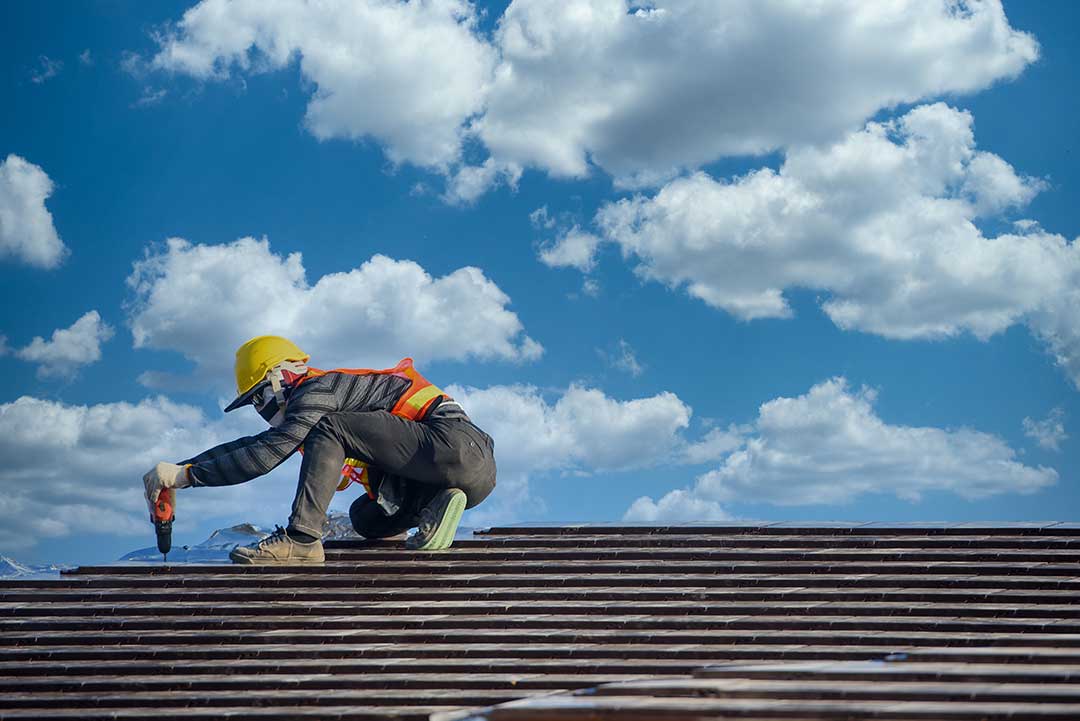
- Asphalt shingles: Easiest and most common for solar, especially on newer roofs.
- Metal roofs: Longevity often matches or exceeds solar panel lifespan.
- Slate or tile: Can be done, but installation is slower and potentially more costly due to the fragility of the materials.
If your home has an older slate or tile roof, get an expert assessment before making any decisions about solar.
Will Installing Solar Panels Void My Roof Warranty?
Homeowners often worry about potential impacts on roof warranties. In general, most manufacturers’ warranties remain valid as long as solar panels are installed to manufacturer specifications using appropriate flashing and hardware. However, some roof warranties have strict conditions about third-party installations. Always review your warranty documentation to check if additional steps or certifications are needed when solar is added.
A few tips:
- Document the installation process and keep records of the mounting method.
- Ask about any special requirements for maintaining roof warranty coverage during permitting.
- Warranties for both the roof and solar panels operate independently, so check both sets of documentation carefully.
What Maintenance Should Area Homeowners Expect?
Solar arrays require very little maintenance, but the roof itself shouldn’t be neglected after installation. Homeowners in Slingerlands should:
- Visually check for debris, leaf buildup, and shading from nearby trees each season.
- Inspect after especially heavy winter storms for snow or ice accumulation.
- Monitor the ceiling inside your attic or upper rooms for water stains or dampness, indicating a possible leak.
Minor maintenance—such as clearing leaves or gently brushing off snow—can often be done from the ground with the right tools. Avoid climbing directly on the roof unless you’re confident in roof safety and conditions.
What Common Misconceptions Should Residents Be Aware Of?
Many assume solar panels will damage a roof or that the installation means more winter leaks, but properly installed panels actually protect the roof surface underneath from sun, rain, and snow. Another misconception is that any roof is suitable for solar. In truth, roofs with significant shade, poor drainage, or extensive age-related wear could lead to disappointing results or higher long-term costs. Local knowledge—like awareness of seasonal leaf drop or snow load—matters as much as panel specifications.
By considering these factors, homeowners can make informed choices about whether their property and roof are ready for solar.
