
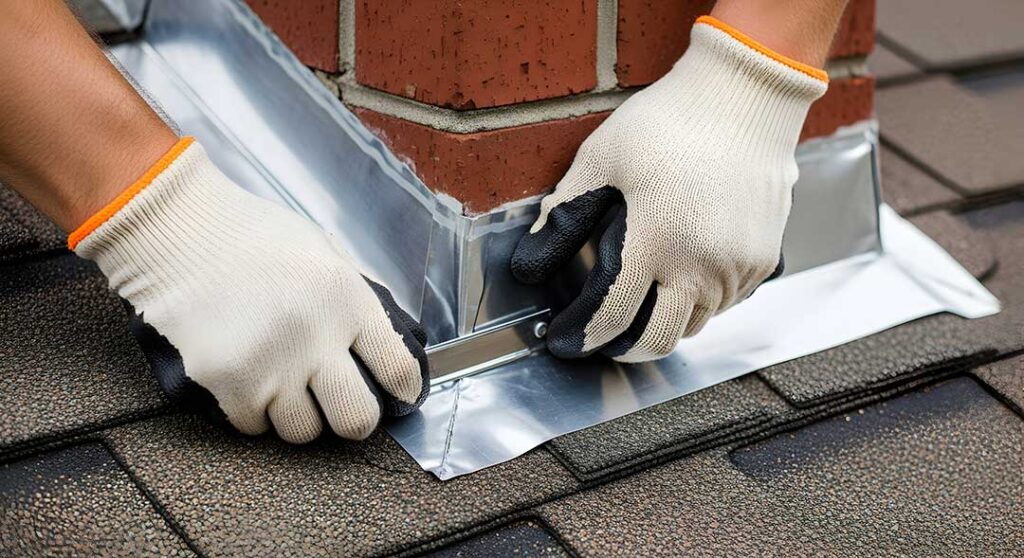
Moss and algae on a roof are more than cosmetic concerns. They can hold moisture against shingles, obscure early signs of wear, and contribute to premature surface deterioration if left unmanaged. In Slingerlands, seasonal rain, snow, shade, and leaf cover can create conditions where roof growth develops gradually, especially on north-facing or heavily shaded roof sections.
Why do moss and algae grow on roofs?
Moss thrives where a roof stays damp for long periods. It needs moisture, shade, and a surface where it can anchor. Roof areas beneath overhanging trees, beside taller structures, or on slopes that receive limited direct sunlight are more likely to develop moss.
Algae usually appears as dark green, gray, or black streaks. Those streaks are often caused by airborne organisms that settle on roofing materials and spread when moisture is available. Algae does not always cause immediate damage, but it can make roof surfaces retain more moisture and may signal that drainage, ventilation, or sunlight exposure should be evaluated.
Conditions that encourage growth include:
- Clogged or poorly draining gutters
- Leaves and organic debris resting on shingles
- Tree branches that keep the roof shaded
- Roof slopes with limited sunlight
- Persistent humidity after rain or snow
- Older shingles with rough or worn surfaces
- Inadequate attic ventilation that slows drying
Moss and algae are not the same problem. Moss is a plant-like growth with a thicker, raised texture, while algae often appears as discoloration or streaking. Moss generally presents a greater physical risk because its roots can work beneath shingle edges.
Can moss damage asphalt shingles?
Yes. Moss can damage asphalt shingles over time, particularly when it spreads beneath overlapping shingle edges. As moss expands and contracts with changes in moisture, it can lift or loosen shingles. This creates pathways for wind-driven rain and may increase the chance of missing, cracked, or displaced shingles.
Moss also acts like a sponge. After rain or melting snow, it can keep portions of the roof wet longer than surrounding areas. Repeated dampness may accelerate granule loss, surface aging, and deterioration of the underlying roofing materials.
Algae-related staining is usually less mechanically damaging than moss. However, heavy algae growth may still indicate that the roof remains damp or shaded. Dark streaks can also make it harder to see other issues, such as cracked sealant, worn flashing, or small areas of shingle loss.
A small patch does not automatically mean the roof needs replacement. The more useful question is whether growth is isolated and superficial or whether shingles have been lifted, softened, cracked, or losing granules.
How should moss and algae be removed?
Roof growth should be removed gently. Scraping, pressure washing, or aggressive brushing can strip protective granules from asphalt shingles and shorten their service life.
A safer general approach is to:
1. Remove loose leaves and branches without dragging tools across the shingles.
2. Use a roof-appropriate moss and algae treatment according to its label.
3. Allow the treatment time to work rather than trying to force growth off immediately.
4. Rinse only as directed, using low pressure and keeping water flowing downward.
5. Inspect the roof after the growth has died back.
Chemical treatments should not be allowed to run onto sensitive landscaping, ponds, or other areas where runoff could cause harm. Gutters and downspouts may also need attention after treatment because dead organic material can wash into the drainage system.
Pressure washing is a common misconception. It may make a roof look clean quickly, but the force can remove granules, disturb shingle seals, and push water beneath roofing materials. It can also damage flashing, vents, or older shingles.
Walking on a roof creates another avoidable risk. Wet moss is slippery, and even dry roofing surfaces may be fragile. Ladders, steep slopes, snow, and wet conditions can turn a routine cleaning task into a fall hazard. If access is unsafe or the roof is difficult to inspect from the ground, the safest choice is to avoid climbing.
Are household cleaners safe for roof moss?
Many general household cleaners are not appropriate for roofing. Strong chlorine solutions, solvents, abrasive powders, and improvised mixtures may discolor shingles, damage nearby metal, or harm plants when rinsed from the roof.
Products intended for roof algae or moss should be used exactly as labeled. More chemical is not necessarily more effective. The application method, weather conditions, runoff control, and time allowed for the treatment to work all affect the result.
Treatments should generally be applied during calm weather when rain is not expected immediately afterward. Wind can carry spray onto siding, windows, vehicles, gardens, and neighboring property. If the roof is near a property line or sensitive landscaping, extra care is warranted.
How can future growth be reduced?
The most effective long-term strategy is to help the roof dry more quickly. Preventive maintenance does not eliminate moss and algae entirely, but it can reduce the conditions that support recurring growth.
Useful steps include:
- Trim branches that create persistent shade or drop large amounts of debris.
- Keep gutters and downspouts clear so water can leave the roof promptly.
- Remove leaf piles and small branches before they remain through repeated wet weather.
- Check that downspouts discharge water away from the foundation.
- Keep roof valleys and drainage areas free of organic buildup.
- Watch for areas where snow or water consistently lingers.
- Maintain attic ventilation so heat and moisture can escape more effectively.
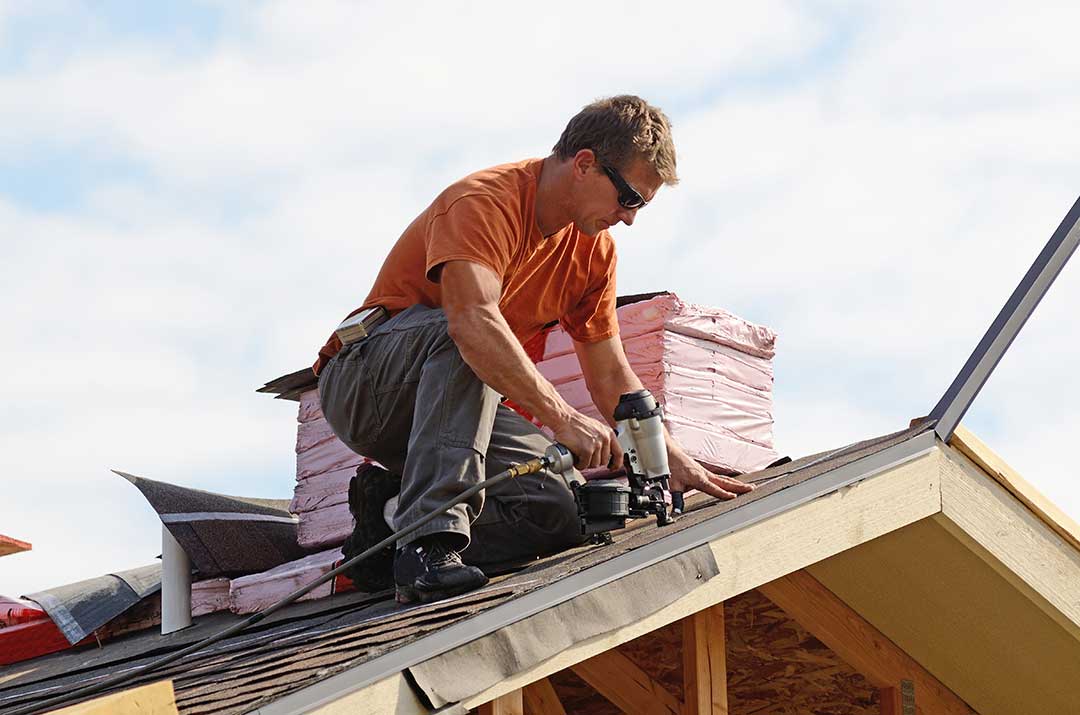
Metal strips near the roof ridge are sometimes used to discourage moss and algae. Rainwater can carry small amounts of metal across the shingles, limiting growth in some circumstances. These systems are not a substitute for drainage and shade control, and they may not affect areas below dormers, valleys, or roof sections that receive little runoff.
Does algae mean the roof needs to be replaced?
Usually, no. Algae staining alone is not proof that a roof has reached the end of its service life. Many roofs remain structurally sound despite dark streaks or limited surface discoloration.
Replacement becomes a more serious consideration when growth appears alongside:
- Brittle, curling, or cracked shingles
- Widespread granule accumulation in gutters
- Repeated leaks or damp ceiling areas
- Missing or lifted shingles
- Soft decking beneath the roof surface
- Damaged flashing around chimneys, vents, or wall intersections
- Extensive moss that has displaced multiple shingle courses
The age and condition of the roof matter more than appearance alone. A relatively new roof with isolated algae may need cleaning and monitoring, while an older roof with moss, leaks, and widespread shingle failure may require a broader evaluation.
When is roof growth most likely in Slingerlands?
In Slingerlands, roof growth is most likely to become noticeable during damp periods in spring and fall, although shaded roof sections can support moss through much of the year. Snow can also conceal organic debris and keep surfaces wet during thawing cycles.
Homes surrounded by mature trees may see more frequent buildup, especially where leaves collect in valleys or behind roof penetrations. After storms, fallen branches and wet leaf mats should be cleared from accessible ground-level areas promptly. A roof that dries quickly after rain is generally less favorable to moss than one that remains shaded and damp.
A ground-level inspection after winter and again after autumn leaf fall can help identify problems early. Look for dark streaks, raised green growth, clogged gutters, displaced shingles, and areas where water appears to collect. If inspection requires stepping onto a steep, wet, icy, or visibly fragile roof, it should not be treated as a do-it-yourself task.
