

Why Does Seasonal Roof Maintenance Matter in Slingerlands, NY?
Seasonal roof maintenance in Slingerlands, NY helps protect homes from the area's variable weather—icy winters, stormy springs, hot summers, and leaf-heavy autumns. Skipping regular upkeep can allow small issues, such as missing shingles or clogged gutters, to become costly repairs. Local residents who create a seasonal routine are less likely to experience leaks, mold, or long-term structural damage over time.
What Should Residents Look for After Winter?
After months of snow and fluctuating temperatures, roofs in the community often show signs of stress:
- Ice Dams: These ridges of ice can prevent melting snow from draining, causing water to back up under shingles. Signs include large icicles, water stains on ceilings, or visible damage at roof edges.
- Shingle Damage: Freeze-thaw cycles and heavy snow loads can loosen, crack, or displace shingles.
- Gutter Blockages: Ice buildup and winter debris may clog gutters, risking overflow and siding damage.
- Attic Moisture: Wet insulation or musty smells in attic spaces indicate trapped moisture or leaks.
Residents should visually inspect from the ground using binoculars where possible, or check the attic for dampness and daylight where there shouldn’t be any. Only attempt a roof walk if it’s safe and surfaces are dry. Many find that spring is the safest time for a full exterior check.
What Are Key Spring Maintenance Tasks?
Spring brings rain and thawing, which can reveal or worsen issues left by winter. Priority tasks include:
- Clearing Gutters and Downspouts: Remove leaves, twigs, and leftover ice. Water must drain efficiently to prevent water backing up under shingles.
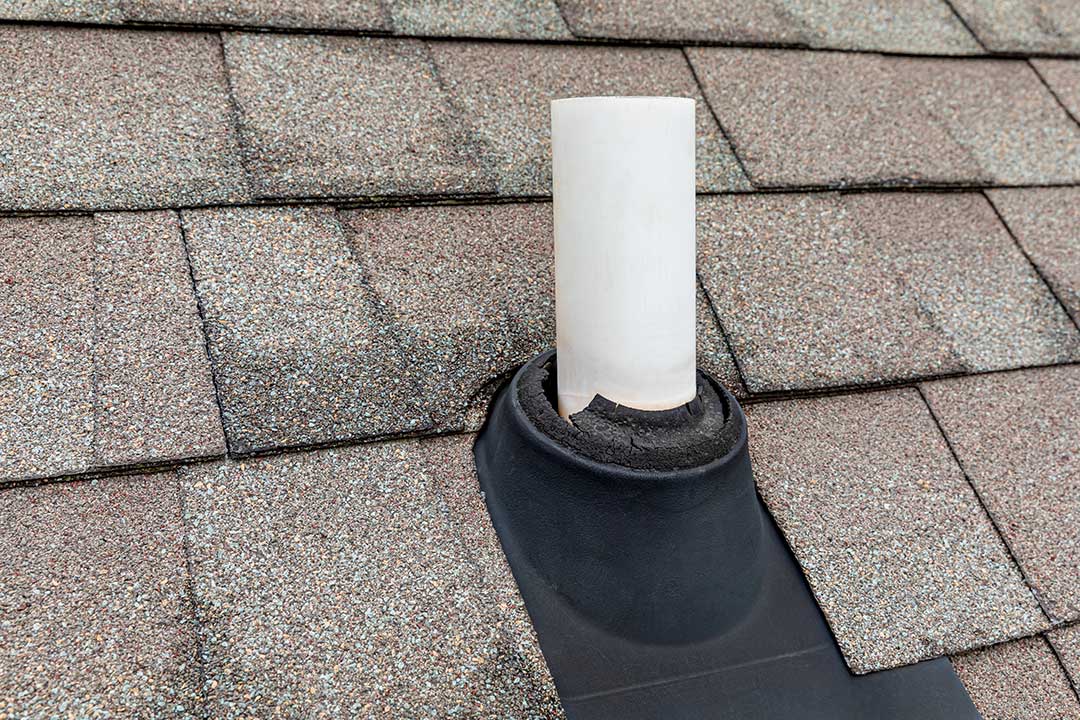
- Inspecting Shingles and Flashing: Look for curling, missing, or cracked shingles and ensure metal flashing around chimneys and vents hasn’t pulled away.
- Checking for Moss or Algae: Excessive shade and wet conditions in Slingerlands can foster moss growth, which may trap moisture against the roof surface.
- Surveying for Animal Intrusions: Squirrels or birds sometimes take refuge in attic spaces during cold months; inspect vents, soffits, and eaves for gaps or new openings.
Spring is also the time to check ceilings inside for new stains—signs of hidden leaks from melting ice or snow.
How Should Residents Prepare Roofs for Summer?
Summer heat and UV exposure can cause shingles to age faster, while thunderstorms may challenge roof integrity. Here’s how to minimize risk:
- Trim Overhanging Branches: Trees common in Slingerlands neighborhoods shed debris and provide routes for animals; trimming back branches prevents damage from falling limbs and reduces moss growth.
- Look for Shingle Granule Loss: Granules appear like sand in gutters or at downspouts. Loss indicates aging shingles that may leave underlying materials exposed.
- Inspect Ventilation Systems: Make sure ridge vents, soffit vents, and gable vents are clear, as proper attic ventilation keeps roof temperatures moderate and prevents summer-related material warping.
Residents sometimes overlook that even small punctures or cracks can become much bigger after a season of sun exposure and thunderstorms.
What Should Be Done in Fall Before Cold Weather Returns?
Pre-winter preparation is crucial in the city, where heavy wet snow and freezing rain are common:
- Remove Leaves and Debris: Clear organic matter from both roof and gutters; decomposing leaves can cause water to pool and add weight.
- Double-Check Attic Insulation: Well-insulated attics keep roofs cold, minimizing snow melt and ice dam formation.
- Check Roof-to-Wall Connections: Areas where roof and vertical walls meet are especially prone to leaks from wind-driven rain or winter thaw cycles.
- Secure Loose Shingles and Flashing: Wind storms frequently blow through the area come autumn. Tighten or replace fasteners and secure any lifting materials.
A fall check helps minimize late-season emergency repairs, and ensures a roof is ready for the coming snow and ice.
Are There Slingerlands-Specific Concerns or Common Mistakes?
Local homes are often surrounded by mature trees, and neighborhoods feature a mix of older and newer roofing. Some common misconceptions area households face:
- Assuming All Roofs Age the Same: Architectural shingles and metal roofs weather differently; age-related wear can vary significantly.
- Underestimating Tree Debris: Even with regular leaf removal, pollen, needles, and fine branches accumulate—each can clog gutters and scuppers, especially after windstorms.
- Ignoring Signs of Ice Dams: Thinking “it was just a heavy winter” can lead to missed warning signs. Not all water damage is immediately obvious.
- Skipping Inspections in Milder Seasons: Relying on winter checks alone misses damage best seen during drier, safer periods.
Staying observant helps prolong roof life and maintains the comfort and value of homes throughout the community.
When Should Residents Seek Expert Help?
While most maintenance tasks can be managed by residents with basic tools and safety awareness, specific situations require caution:
- Steep, High, or Slippery Roofs: If accessing the roof risks injury due to pitch, height, or wet materials, observation from the ground is always safer.
- Suspected Structural Issues: Sagging roofs, widespread leaks, or evidence of major storm damage often require inspection by an insured and licensed professional.
- Persistent Ice Dams or Attic Condensation: If multiple seasons go by without resolution, underlying ventilation or insulation problems may need expert assessment.
Slingerlands households benefit from knowing limits and calling municipal authorities when hazards—like downed power lines or building code concerns—crop up.
What Tools Make DIY Seasonal Roof Checks Easier?
Practical, readily available tools improve safety and effectiveness for local residents managing roof maintenance:
- Sturdy Ladder: For safely clearing gutters and inspecting eaves.
- Binoculars: For detailed visual inspections without climbing.
- Work Gloves and Non-Slip Shoes: For safe debris removal and traction.
- Plastic Roof Rake: Especially for winter snow removal from ground level.
- Camera or Smartphone: For documenting changes or potential issues to track over time.
Using the proper equipment, households can stay proactive without putting themselves at unnecessary risk.
