

Why Is Proper Documentation Necessary for Roof Damage Claims?
Creating a clear, thorough record of roof damage is essential for insurance claims to be processed smoothly. Insurance companies rely on evidence to determine coverage and the amount they will pay. Without strong documentation, claims can be delayed, reduced, or denied.
In Slingerlands, NY, roofs face risks from heavy snow, ice dams, windstorms, falling branches, and seasonal hail. Knowing how to document damage in local weather conditions helps residents respond effectively after a storm or accident.
—
What Should Be Documented After Roof Damage?
The most useful documentation includes clear photographs, a written description, and a timeline of the event or discovery. Visual proof and organized records make communication with an insurer much easier.
Key items to document:
- Overall view of the entire roof
- Close-ups of any visible damage (missing shingles, punctures, dented flashing, etc.)
- Signs of water intrusion inside the home (stains, bubbling paint, dripping)
- Debris or fallen trees on the roof or nearby
- Weather conditions (snow accumulation, ice, branches, hail)
—
How Should Photos of Roof Damage Be Taken?
Photos should be clear, well-lit, and show scale. Multiple angles help, especially for larger or harder-to-see damage.
Practical advice:
- Stand back to take wide shots showing the full roof, then move closer for detail
- Include something for scale (like a ruler or your gloved hand) in close-ups
- Use the date-stamp setting on your phone’s camera if available
- Photograph from the ground if access is unsafe (do not climb icy or steep roofs)
- If weather allows, take “before” and “after” photos—images from earlier seasons or previous home inspections can support your claim
—
What Written Details Should Be Included?
A written account provides context for your photos and can clarify specifics for insurance adjusters.
Important points to describe:
- Date and time you noticed the damage
- Description of weather conditions when the damage likely occurred
- Any noises heard (like loud winds or impacts)
- Notable interior effects (water stains, musty smells, sudden leaks)
- Any emergency measures taken (tarping, moving belongings, drying areas)
Writing these details as soon as possible helps keep the account accurate and complete.
—
Are There Local Factors to Consider in Slingerlands?
Yes. The area experiences freeze-thaw cycles, snow buildup, and occasional severe thunderstorms. Ice dams are a particular seasonal concern—document their formation and the resulting water intrusion, even if they melt before an adjuster visits.
Fallen limbs are also common during nor’easters and windstorms in wooded neighborhoods. Include photos of tree debris and any physical evidence around the property (fresh bark, disturbed landscaping).
Local building materials may impact how damage appears. Asphalt shingles, slate, and metal roofs show wear and impact damage differently. Try to capture the material type and condition.
—
What Should Be Avoided When Documenting Roof Damage?
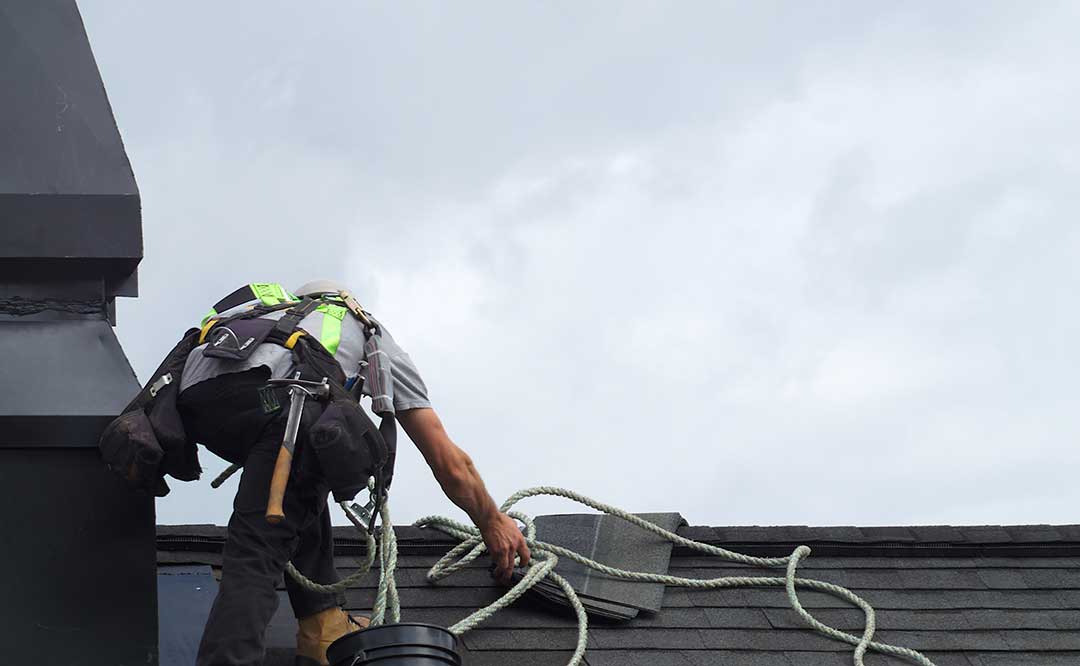
Avoid making repairs or cleaning up major debris before evidence is captured—temporary safety measures are the exception. Do not discard damaged shingles or branches that fell onto the roof until the insurer has documentation.
Other pitfalls include:
- Relying solely on written descriptions without photos
- Using blurry or poorly lit images
- Forgetting to note which part of the roof or room each photo represents
- Climbing onto unsafe roofs or working in hazardous weather conditions
If access is hazardous—such as after ice storms or during structural instability—prioritize personal safety and document from safe vantage points.
—
How Can Documentation Be Organized for Insurance Purposes?
Consolidate all evidence in an organized manner before submitting a claim. Insurers appreciate clarity and timelines.
Tips for organization:
- Rename photo files with descriptive titles (e.g., “north_roof_missing_shingles_2024-03-15”)
- Create a folder or digital album for all materials
- Label written notes with dates and times
- Keep copies of related records (weather alerts, receipts for emergency supplies)
- Back up digital files in case your device is lost or damaged
This organization helps when you’re asked for more details or follow-up evidence during the claims process.
—
What If the Damage Is Not Obvious or the Cause Is Unclear?
Sometimes roof leaks or hidden damage only become apparent gradually. In these cases, ongoing documentation—such as photos after each storm or during each inspection—can help establish a timeline. Save communication with neighbors or weather records when relevant to demonstrate that local conditions likely caused the issue.
Keep records of any professional home inspections, roof reports, or prior maintenance that could support your claim by showing the pre-damage condition.
—
How Much Detail Is Too Much?
There’s little risk in providing extra information, as long as it’s accurate and relevant. Anything that shows the extent, timing, and context of the damage can help—so long as it’s organized and not confusing. Overlapping images, repeat angles, and clear close-ups usually aid, rather than hinder, the process.
—
