
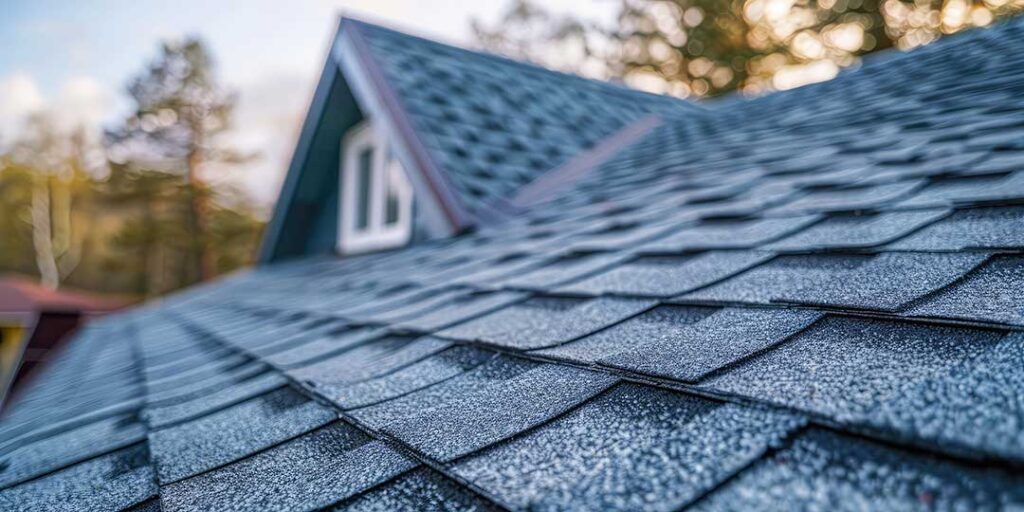
Understanding roof decking is useful for any homeowner in Slingerlands, NY, especially when a roof is being replaced or when leaks appear after snow, ice, or heavy rain. The decking, also called roof sheathing, is the structural surface installed over the rafters or trusses. Roofing underlayment and shingles or other roof coverings are installed above it.
Although it is usually hidden, roof decking supports the roof covering, helps distribute weight, and forms a boundary between the attic and the outdoors. If the decking is weakened by moisture or poor ventilation, installing new shingles alone may not solve the underlying problem.
What is roof decking?
Roof decking is the layer of wood or wood-based panels fastened to the roof frame. It creates the broad, continuous surface that receives the underlayment and exterior roofing material.
Most modern homes use wood structural panels, commonly plywood or oriented strand board. Older houses may have solid boards installed across the rafters. Some buildings use tongue-and-groove boards or other specialized systems.
The decking has several jobs:
- It supports the underlayment and roof covering.
- It transfers some roof loads to the rafters or trusses.
- It helps keep the attic protected from wind and precipitation.
- It contributes to the roof’s overall stiffness.
- It provides a base for fastening shingles, metal panels, or other coverings.
Roof decking is not the same as the visible roof surface. Shingles, metal panels, slate, and similar materials are the roof covering. The decking is the structural layer beneath them.
Why does roof decking matter during a roof replacement?
A roof covering can look worn while the decking remains sound, or the decking can be damaged even when the exterior damage is not obvious. Once the old roof covering is removed, the condition of the wood can be inspected directly.
Roofing materials need a firm, stable base. If fasteners are installed into soft, split, swollen, or deteriorated wood, they may not hold properly. This can affect the security of the roof covering and create openings where water can enter.
Replacement work may involve:
1. Removing the existing roof covering and underlayment.
2. Inspecting the exposed decking for damage, movement, gaps, or inadequate fastening.
3. Replacing sections that no longer provide reliable support.
4. Installing appropriate underlayment over the prepared surface.
5. Applying the new roof covering according to the material requirements.
Not every dark mark or stain requires complete replacement. Some discoloration reflects an old leak that has dried. The more significant questions are whether the wood has lost strength, remains damp, is visibly distorted, or can still hold roofing fasteners securely.
What causes roof decking damage?
Moisture is the most common cause of deterioration. Water may enter through damaged shingles, failed flashing, exposed fasteners, poorly sealed penetrations, or ice-related backup at the eaves.
In the local climate, repeated freeze-thaw cycles can make small weaknesses more serious. Snow and ice can remain on a roof, melt during warmer periods, and refreeze near colder edges. This can expose vulnerable areas to repeated moisture.
Other causes include:
- Long-term roof leaks.
- Condensation from a poorly ventilated or inadequately insulated attic.
- Plumbing or exhaust vents that terminate improperly.
- Blocked or missing flashing around chimneys, walls, and roof openings.
- Storm damage from wind, falling branches, or heavy debris.
- Excessive roof loads or structural movement.
- Construction mistakes, such as improper panel spacing or fastening.
Attic moisture deserves special attention. Warm indoor air that reaches a cold roof deck can condense on the underside of the wood. Over time, this may lead to mold-like surface growth, staining, swollen panels, or decay even when the roof covering appears intact.
What are common signs of damaged decking?
Some signs can be noticed from inside the attic, while others become visible only after the roof covering is removed.
From the attic, look for:
- Dark staining or water marks on the underside of the panels.
- Soft, crumbly, or delaminated wood.
- Sagging between rafters or trusses.
- Rusted or corroded fasteners.
- Damp insulation or a persistent musty odor.
- Daylight visible through unexpected gaps.
- Mold-like growth associated with ongoing moisture.
From outside or inside living areas, warning signs may include:
- A roof surface that appears uneven or depressed.
- Ceiling stains or bubbling paint.
- Recurring leaks in the same area.
- Shingles that do not lie flat because the surface beneath them has moved.
- Roof repairs that fail repeatedly.
A ceiling stain does not always indicate damaged decking directly above it. Water can travel along rafters, insulation, or framing before appearing indoors. The visible stain may therefore be several feet away from the actual entry point.
Can new shingles be installed over damaged decking?
New shingles should not be installed over decking that is structurally unsound or too deteriorated to hold fasteners. Covering damaged wood can conceal the problem and make future repairs more difficult.
Minor surface staining may not require removal if the wood is dry, firm, and structurally sound. By contrast, replacement is generally necessary when panels are rotted, swollen, delaminated, badly split, sagging, or unable to hold nails securely.
The amount of replacement can vary widely. A roof may need only a few localized sections, or it may require extensive decking work if leaks have continued for years. Older homes with board decking may also require a different approach because board widths, thicknesses, and spacing can vary across the roof.
What materials are used for roof decking?
Plywood and oriented strand board are common because they provide consistent dimensions and broad fastening surfaces. Solid wood boards remain present on many older roofs and can perform well when properly maintained.
The correct material depends on the roof design, framing spacing, roof covering, local code requirements, and the condition of the existing structure. Thickness matters as well. A panel that is too thin for its span may flex, allow fasteners to move, or contribute to an uneven roof surface.
Roof decking also needs appropriate fastening and spacing. Wood panels can expand and contract with changes in moisture. Small construction gaps between panels may be required to help accommodate movement, while excessive gaps can allow the roof surface to flex or expose vulnerable areas.
How do ventilation and insulation affect decking?
A durable roof deck depends partly on what happens beneath it. Attic ventilation helps manage moisture and seasonal heat, while insulation and air sealing reduce the amount of warm indoor air reaching the underside of the roof.
Ventilation problems can occur when soffit openings are blocked, exhaust fans discharge into the attic, or insulation is installed in a way that interrupts intended airflow. Simply adding a ridge vent does not correct every attic moisture problem; intake and exhaust paths must work together.
In winter, good attic performance helps reduce condensation and limits uneven roof temperatures that can contribute to snow melting and refreezing. In summer, it can reduce heat buildup that affects roofing materials and attic comfort.
What should homeowners ask during a roof inspection?
Useful questions focus on evidence rather than assumptions:
- Is the decking dry and structurally sound?
- Are the observed stains old or associated with active moisture?
- Which areas need replacement, and why?
- Are the rafters or trusses showing movement or damage?
- Are attic ventilation and insulation contributing to condensation?
- Are flashing, roof penetrations, and drainage details functioning properly?
- Will the roof covering and underlayment be installed over a continuous, properly fastened surface?
For homes with visible sagging, active leaks, exposed electrical components, or unsafe attic access, inspection should be treated as a safety matter. Avoid walking on questionable roof surfaces or entering areas with unstable framing.
Understanding the decking makes it easier to interpret roof problems accurately. The shingles are the part most people see, but the wood beneath them often determines whether the roof can remain secure, dry, and serviceable through the area’s changing seasons.
