

What Are the Basic Parts of a Roof?
The main parts of a roof include more than just shingles. Understanding these terms helps local residents communicate clearly about their home's most important shield.
- Decking (Sheathing): This is the base layer, usually made of plywood or oriented strand board (OSB), attached to the roof's frame.
- Underlayment: A water-resistant or waterproof barrier layer (like felt or synthetic materials) laid on top of decking, beneath the shingles, to provide extra moisture protection.
- Shingles: The visible outermost material. In this area, asphalt shingles are most common, though some houses use slate, wood, or metal.
- Flashing: Thin metal pieces installed around roof features (chimneys, vents, skylights) and roof edges to prevent water intrusion at joints and valleys.
- Ridge: The highest horizontal line where two roof planes meet at the peak.
- Valley: The internal angle created where two roof planes meet, directing water toward gutters.
- Eaves: The lower edges of the roof, overhanging the home's exterior walls.
- Fascia: The vertical finishing edge at the ends of eaves, where gutters are typically attached.
- Soffit: The underside of the eaves, often ventilated to allow airflow into the attic.
Knowing these terms helps area homeowners explain issues or requests for routine maintenance, storm damage, or repairs after heavy Northeastern weather.
How Does Roof Ventilation Work?
Proper ventilation prevents moisture buildup and ice dams.
Ventilation uses intake and exhaust vents to move air through your attic. In Slingerlands, where both humid summers and snowy winters are typical, a balanced system is crucial for extending the life of wood structures and shingles.
- Intake Vents: Often located in the soffit, these let fresh outside air in.
- Exhaust Vents: Positioned at or near the roof ridge or gable, these allow warm, moist air to escape.
Lack of ventilation can lead to mold, warped wood, or premature shingle failure—all of which are common concerns in the region's climate.
What Is an Ice Dam and Why Is It a Problem Here?
An ice dam is a winter risk unique to colder climates like Slingerlands. It forms when snow on the roof melts from underneath (due to attic warmth), then refreezes at the eaves, causing water to back up under the shingles. This backup can lead to leaks and significant interior damage.
Preventing ice dams:
- Maintain attic insulation and ventilation.
- Safely clear excessive snow from the roof after heavy storms.
- Watch for signs such as large icicles or water stains on ceilings near exterior walls.
Misunderstanding the causes or effects of ice dams can lead to costly repairs. Proper roofing terms allow residents to ask precise questions about winter protection.
What Types of Roofs Are Common in Slingerlands?
Most single-family homes in the community use pitched (sloped) roofs rather than flat roofs, given regional snowfall and rain patterns.
- Gable Roof: Two sloping sides meeting at a ridge, forming end walls shaped like an "A."
- Hip Roof: All four sides slope downward, great for extra stability in high winds.
- Shed Roof: A single sloping surface, usually for additions or outbuildings.
Understanding basic roof styles helps when discussing repairs, storm impacts, or remodeling options with designers and builders.
What Is a Roof Pitch and Why Does It Matter?
Pitch describes the steepness or slope of your roof. It's measured as a ratio of vertical rise to horizontal run (for example, "4/12" means the roof rises 4 inches for every 12 inches across).
A steeper pitch:
- Sheds water and snow more efficiently, crucial in the region's climate.
- May require special safety precautions during repairs or cleaning.
- Influences material choices, installation methods, and ventilation needs.
Knowing your roof's pitch is practical for local maintenance discussions and making safe decisions about rooftop tasks around the home.
What Do Roofing Warranties and Lifespans Mean?
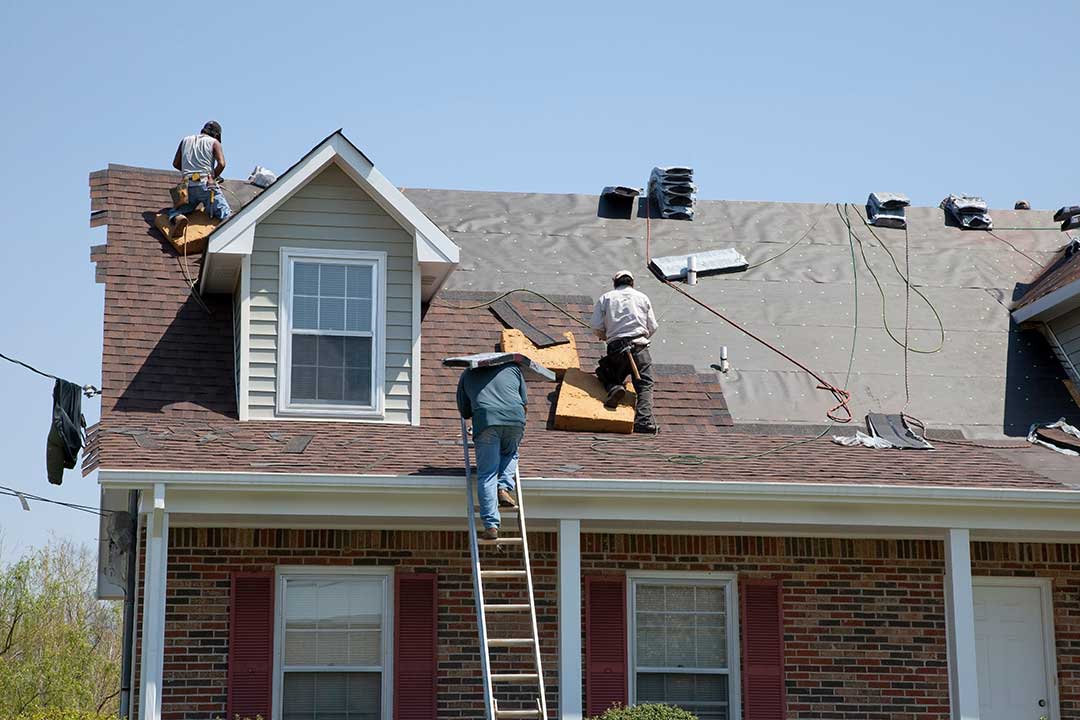
Manufacturers' warranties cover defects in roofing materials for a set period (sometimes 20-50 years for shingles). Some also include “workmanship” warranties for installation errors.
Local factors can affect real roof lifespan:
- Snow, heavy rain, wind, and tree debris in the area can shorten shingle or flashing life.
- Regular inspections after severe weather help spot problems early, ensuring warranties aren’t voided by neglect.
It's common to misunderstand the difference between a material guarantee and the actual expected life of a roof under local conditions.
Why Is Flashing So Important Around Roof Features?
Flashing prevents leaks at intersections, joints, and penetrations in your roof.
Common flashing locations:
- Chimneys
- Roof-to-wall connections
- Skylights and dormers
- Plumbing vent pipes
Improper, corroded, or missing flashing is a leading cause of leaks—especially after storms with wind-driven rain or snowmelt. Being able to name this key component helps homeowners request specific repairs or inspections.
How Do Gutters, Downspouts, and Drip Edges Protect a House?
Gutters, downspouts, and drip edges work together to direct water off and away from the house.
- Gutters: Horizontal channels along eaves collect water runoff.
- Downspouts: Pipes that carry water from gutters to the ground.
- Drip Edge: Metal flashing above the fascia, at the roof edge, directing flow into the gutter rather than behind it.
During autumn and spring, heavy leaf fall and storms can clog or overwhelm these systems. Keeping gutters clear reduces the risk of ice dams, foundation problems, and water entering the home’s basement or crawlspace.
What Are Some Common Roofing Maintenance Terms?
- Granule Loss: The tiny ceramic-coated bits atop asphalt shingles can wash away over time, reducing protection from sun and weather.
- Blistering: Bubbling on shingles, typically from trapped moisture or faulty installation.
- Curling: Shingles turning up at the edges—often a sign of aging or poor attic ventilation.
- Delamination: Layers of shingles or underlayment separating, which can invite leaks.
Local homeowners often notice changes in shingle appearance after storms, intense sun, or seasonal transitions. Recognizing these terms helps communicate precisely when requesting advice or an inspection.
